

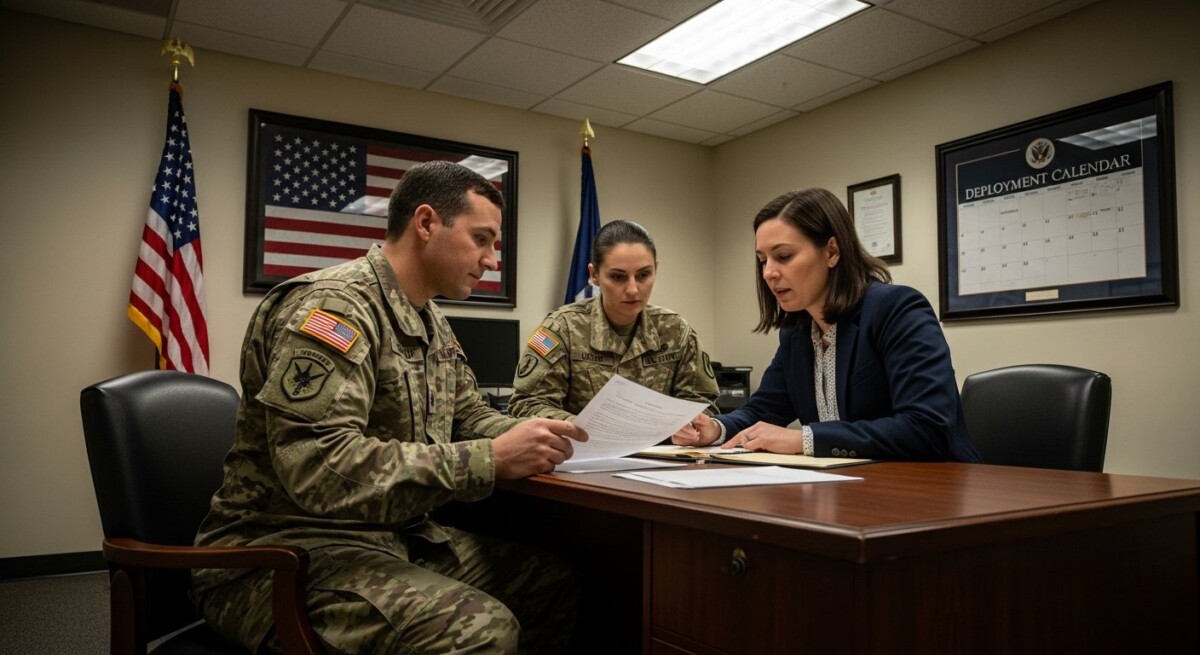
Military Divorce Leads: Client Acquisition Strategies for Attorneys
Military divorce is a distinct area of family law that presents unique challenges and opportunities for attorneys seeking to grow their practice. Unlike civilian divorce, these cases involve the Uniformed Services Former Spouses Protection Act (USFSPA), complex pension division rules, and frequent relocations that complicate jurisdiction and custody. For family law firms, mastering military divorce client acquisition leads means understanding both the legal nuances and the specific marketing channels that reach active-duty service members, veterans, and their spouses. This article provides a comprehensive framework for generating high-quality leads in this specialized niche, from digital advertising strategies to referral partnerships and compliance considerations.
Why Military Divorce Requires a Specialized Approach
Military divorce cases are not simply family law matters with a military twist. They involve federal preemption issues, unique tax treatment of combat pay, and strict timelines under the Servicemembers Civil Relief Act (SCRA). Service members often face deployments that delay proceedings, and spouses may struggle to access legal resources while living on base or overseas. Attorneys who understand these complexities can position themselves as trusted experts, which directly drives client acquisition.
For example, a key challenge in military divorce is dividing the servicemember’s retirement pay. Under USFSPA, a former spouse may receive a portion of the disposable retired pay if the marriage lasted at least 10 years overlapping with 10 years of service. This rule requires careful calculation and negotiation, and attorneys who can explain it clearly to prospective clients build immediate credibility. Additionally, child custody arrangements must account for deployment schedules, frequent moves, and the possibility of one parent being stationed overseas. These factors make military divorce a high-stakes practice area where clients actively seek experienced counsel rather than generalist attorneys.
The market for military divorce leads is substantial. According to Department of Defense data, there are approximately 1.3 million active-duty service members, plus their spouses and dependents. Divorce rates in the military have historically been slightly higher than the civilian average, especially during periods of high operational tempo. This creates a steady stream of potential clients who need attorneys familiar with military regulations, base legal offices, and the unique emotional stressors of military life. By tailoring your lead generation to this audience, you differentiate your firm from competitors who treat military divorce as a side offering rather than a specialty.
Key Channels for Military Divorce Client Acquisition Leads
To acquire military divorce leads effectively, you must meet service members and their spouses where they spend time online and offline. The following channels offer the highest return on investment when executed with targeted messaging and military-specific content.
Search Engine Optimization (SEO) for Military Divorce Keywords
SEO is the foundation of sustainable lead generation. Service members and spouses often begin their search with phrases like ‘military divorce lawyer near me’ or ‘how to file for divorce while deployed.’ Optimizing your website for these keywords requires creating dedicated pages that answer common questions and demonstrate your expertise. For example, a page titled ‘Military Divorce and Retirement Pay: What You Need to Know’ can rank for long-tail queries while establishing authority.
Local SEO is equally critical. Many military families are stationed at bases like Fort Bragg, Camp Pendleton, or Joint Base Lewis-McChord. If your firm is located near a major installation, include city-specific landing pages (e.g., ‘Military Divorce Attorney in Fayetteville, NC’) and claim your Google Business Profile with accurate hours and service areas. Also, consider creating content about the legal resources available on base, such as the Judge Advocate General (JAG) Corps, and explain how your services complement those free resources. In our guide on domestic relations client acquisition leads, we discuss how niche content significantly improves conversion rates for family law practices.
Paid Advertising on Military-Focused Platforms
Pay-per-click (PPC) advertising via Google Ads can deliver immediate results if you target military-related keywords. Use terms such as ‘military divorce lawyer,’ ‘military spouse divorce attorney,’ and ‘divorce while deployed.’ Set negative keywords to exclude irrelevant traffic (e.g., ‘military divorce forms free’) and use ad copy that highlights your SCRA knowledge and deployment-friendly processes. A strong call-to-action might be: ‘Free consultation for active duty and military spouses. Call 510-663-7016 today.’
Beyond Google, consider advertising on platforms frequented by military families. Facebook groups for military spouses, forums like RallyPoint, and military-focused blogs often allow targeted ads. For example, you can create a Facebook ad campaign targeting users whose interests include ‘U.S. Army,’ ‘Military OneSource,’ or ‘Veteran Affairs.’ The ad should link to a landing page with a lead capture form that asks about branch of service, deployment status, and length of marriage. This data helps you qualify leads before investing time in consultations.
Referrals from Military Support Organizations
Referrals remain one of the highest-converting sources of military divorce leads. Build relationships with organizations that serve military families, such as the Armed Forces Legal Assistance (AFLA) offices, family support centers on base, and nonprofits like Blue Star Families. Offer to host free webinars on topics like ‘Financial Planning During Military Divorce’ or ‘Custody Rights for Deployed Parents.’ These events position you as a resource and generate warm leads.
You can also partner with financial advisors who specialize in military clients. Military divorce often involves complex pension division and Survivor Benefit Plan (SBP) elections, so financial planners frequently refer clients to attorneys who understand these issues. Attend military transition fairs or spouse employment events to network directly with potential clients. Provide business cards and a one-page guide titled ‘5 Steps to Prepare for a Military Divorce Consultation,’ which includes your contact information and a brief overview of your services.
Converting Leads into Clients with Military-Specific Messaging
Once you generate leads, the conversion process requires empathy and clarity. Military families face unique stressors: frequent moves, separation from support networks, and concerns about career impact. Your intake process should acknowledge these realities. For instance, offer flexible appointment scheduling that accommodates different time zones and deployment schedules. Use secure video conferencing for consultations with service members stationed overseas.
Your website and marketing materials must also address common fears. Many military spouses worry about losing healthcare benefits (TRICARE) or housing allowances after divorce. Create content that explains how these benefits are handled in a divorce decree, and include testimonials from former military clients who successfully navigated the process. A dedicated FAQ page can answer questions such as: ‘Can I file for divorce while my spouse is deployed?’, ‘How is military retirement divided?’, and ‘What happens to my military ID after divorce?’
Another high-conversion tactic is offering a free ‘Military Divorce Checklist’ in exchange for an email address. The checklist should include steps like gathering LES (Leave and Earnings Statement) documents, understanding BAH (Basic Allowance for Housing) implications, and contacting the nearest JAG office. This lead magnet not only builds your email list but also filters for serious prospects who take the first step toward legal action.
Compliance and Ethical Considerations in Military Divorce Marketing
Marketing legal services to military personnel carries specific ethical obligations. The American Bar Association (ABA) Model Rules of Professional Conduct, along with state bar rules, govern attorney advertising. However, military families are considered a vulnerable population due to frequent relocations and limited access to civilian legal resources. Avoid making guarantees about case outcomes or using testimonials that could be construed as misleading. Instead, focus on educational content that demonstrates your expertise without promising specific results.
Additionally, be aware of the Military Lending Act (MLA) restrictions. While the MLA primarily regulates lenders, attorneys should ensure that any fee arrangements with active-duty service members comply with the act’s interest rate caps and disclosure requirements. It is also wise to include a disclaimer on your website stating that you are not affiliated with the Department of Defense or any branch of the U.S. military. This transparency builds trust and avoids confusion.
Finally, maintain strict confidentiality regarding client information, especially when dealing with service members who may be concerned about chain-of-command involvement. Use encrypted communication channels for sensitive documents and avoid discussing case details over non-secure platforms. By prioritizing compliance and ethics, you position your firm as a trustworthy partner for military families.
Measuring and Optimizing Your Lead Generation Efforts
To maximize the ROI of your military divorce client acquisition efforts, track key performance indicators (KPIs) specific to this niche. Monitor metrics such as cost per lead (CPL), lead-to-client conversion rate, and average case value. For example, if you find that Facebook ads targeting military spouse groups have a lower CPL than Google Ads, reallocate your budget accordingly. Similarly, if leads from military support organizations convert at a higher rate, invest more time in those partnerships.
Use call tracking software to attribute phone calls to specific campaigns. Many military families prefer calling over filling out online forms, especially when discussing sensitive matters. Ensure your phone number (510-663-7016) is prominently displayed on every page of your website and in all ads. Record and review calls (with client consent) to identify common questions or objections, then refine your marketing content to address those upfront.
Another optimization strategy is A/B testing your landing pages. Test different headlines, images, and form fields. For instance, a landing page with a photo of a military family and a headline like ‘Protecting Your Rights During Military Divorce’ may outperform a generic image of a courthouse. Also, experiment with the length of your lead capture form. A shorter form (name, email, phone, branch of service) may generate more leads, while a longer form (including deployment status and length of marriage) may yield higher-quality leads.
For a deeper dive into scaling your efforts, review our article on divorce attorney client acquisition leads in Atlanta, GA, which provides location-specific tactics that can be adapted for military-heavy markets like San Diego, VA, or Colorado Springs. Additionally, our piece on divorce attorney leads in Colorado offers proven strategies for family law firms operating near military installations. Finally, consult our strategic framework for family law client acquisition to integrate these tactics into a broader business development plan.
Frequently Asked Questions
What is the best way to find military divorce clients?
The best approach combines SEO for military-specific keywords, targeted PPC ads on platforms like Google and Facebook, and referrals from military support organizations. Building a reputation as a specialist through educational content and free resources also attracts high-intent leads.
How much does a military divorce lead cost?
Costs vary widely. Facebook ads may generate leads for $20 to $50 each, while Google Ads can range from $50 to $150 per click depending on competition. Referral-based leads typically have no upfront cost but require relationship-building time. On average, military divorce leads are slightly more expensive than general divorce leads due to the niche audience, but they also convert at higher rates.
Do I need special certifications to handle military divorce?
No formal certification is required, but continuing education on military family law is highly recommended. Organizations like the American Bar Association and the National Military Family Association offer webinars and resources. Earning a certificate in military divorce from a recognized provider can also differentiate you from competitors.
Can I market to active-duty service members without violating SCRA rules?
Yes, as long as you comply with general attorney advertising rules and avoid deceptive practices. The SCRA provides protections for service members in legal proceedings but does not restrict marketing. However, avoid making claims that you can ‘guarantee’ a specific outcome or that you have special influence with military courts.
What should I include in a military divorce intake form?
Include fields for branch of service, current duty station, deployment status, length of marriage, number of years of service overlapping with marriage, and current custody arrangements. This information helps you quickly assess the complexity of the case and whether you are a good fit for the prospective client.
Military divorce client acquisition leads require a specialized strategy that respects the unique circumstances of service members and their families. By combining targeted digital marketing, community partnerships, and a client-centered intake process, your firm can build a steady pipeline of high-quality leads. Start by auditing your current marketing materials for military-specific language, then implement one or two of the channels discussed above. Over time, you will establish your firm as the go-to resource for military divorce in your region. For personalized assistance in generating more leads, call 510-663-7016 to speak with a client acquisition specialist.
Share This Story, Choose Your Platform!
About the Author: Sabine Holloway