Lyft Accident Lead Generation and Acquisition for Law Firms
As a personal injury attorney, you know that a Lyft accident case can be complex, but it also represents a significant opportunity for firm growth. The unique legal landscape surrounding rideshare accidents, which involves navigating Lyft’s $1 million insurance policy, potential third-party liability, and specific state regulations, creates a high demand for specialized legal counsel. This creates a valuable niche for attorneys who can effectively connect with these injured victims. However, simply waiting for Lyft accident leads to arrive is not a growth strategy. To build a robust practice in this area, law firms must implement a proactive, multi-channel approach to lead generation that identifies, engages, and converts potential clients who need help after a rideshare collision.
Understanding the Lyft Accident Lead Landscape
Lyft accident leads are inquiries from individuals injured in collisions involving a Lyft vehicle, either as a passenger, another driver, a cyclist, or a pedestrian. The value of these leads stems from the serious nature of the accidents and the substantial insurance coverage involved. Unlike standard car accident cases, Lyft incidents trigger a specific insurance protocol. When a Lyft driver is logged into the app and available for rides, Lyft provides contingent liability coverage. When the driver has accepted a ride or is transporting a passenger, Lyft’s $1 million third-party liability policy applies. This substantial coverage often means higher potential settlements, making these cases attractive for plaintiffs’ firms. Consequently, competition for these leads is fierce. Injured parties are often quickly contacted by multiple firms, making speed and authoritative positioning critical. To succeed, your firm must be seen as the definitive expert from the first point of contact.
Understanding the claimant’s journey is essential. Immediately after an accident, an injured passenger or other victim is likely confused about liability: Do they file against the Lyft driver’s personal insurance, Lyft’s commercial policy, or another at-fault driver? They search for answers online, using phrases like “Lyft accident lawyer” or “injured in a Lyft ride.” Your marketing and content must intercept this search intent with clear, confident guidance. A well-optimized online presence that addresses these specific concerns positions your firm as the solution during a moment of high need. For a deeper dive into acquiring high-intent claimants, consider reviewing strategies for securing exclusive car accident leads that apply directly to the rideshare niche.
Effective Strategies for Generating Quality Lyft Accident Leads
Successful lead generation requires a blend of digital marketing precision and traditional outreach methods. A passive website is insufficient, you need a targeted system designed to attract and convert individuals specifically searching for help after a rideshare accident. This begins with comprehensive search engine optimization (SEO) for relevant local and national keywords. Your website should contain detailed practice area pages focused on Lyft and Uber accidents, blog posts answering common questions, and location-specific landing pages for cities where your firm practices. Content should demystify the claims process, explain Lyft’s insurance tiers, and outline the steps victims should take immediately after a crash. This content not only ranks in search engines but also builds trust with potential clients who are evaluating their legal options.
Pay-per-click (PPC) advertising is another powerful tool for capturing immediate intent. By bidding on keywords related to Lyft accidents, you can place your firm at the top of search results for individuals actively seeking legal representation. These ads should direct users to dedicated landing pages with clear calls-to-action, such as a free case evaluation form or a prominent phone number. Complementing this digital approach, strategic partnerships can be invaluable. Building relationships with chiropractors, physical therapists, and auto body shops can create a referral pipeline, as these professionals often interact with accident victims soon after the incident. A multi-pronged strategy ensures you are visible at multiple touchpoints in the victim’s journey.
Converting Inquiries into Retained Clients
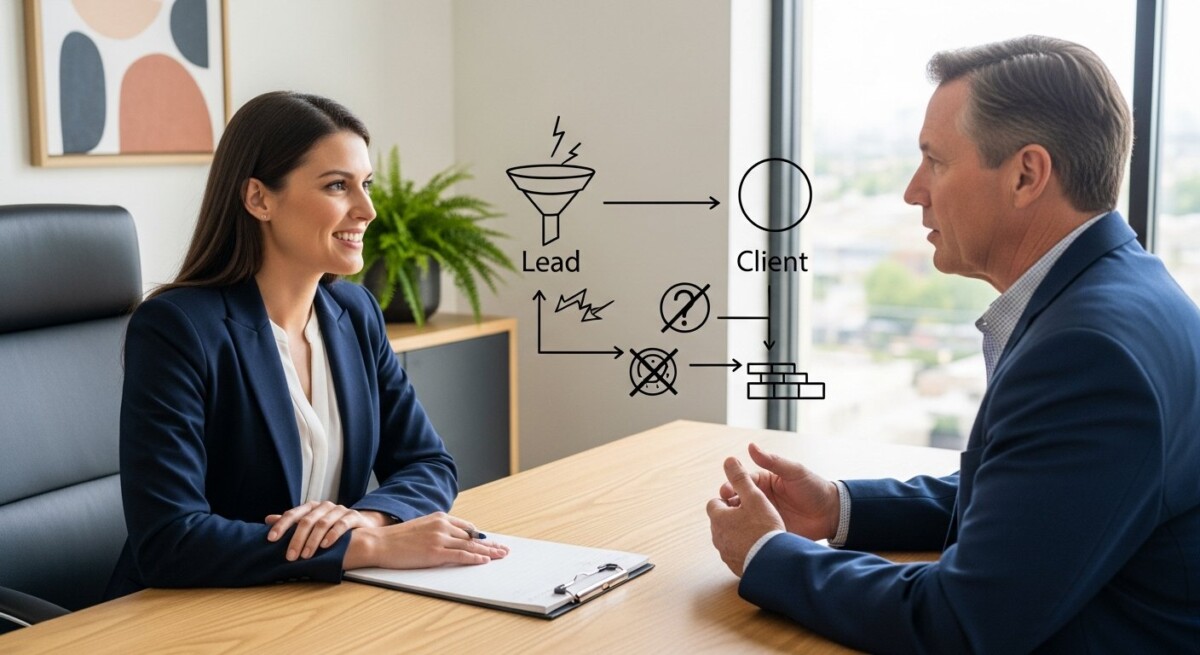
Generating the lead is only half the battle, conversion is where the real work begins. The initial contact, whether by phone or online form, must be handled with urgency and empathy. Your intake team should be specially trained on the nuances of rideshare law. They need to ask the right questions to establish the Lyft driver’s status at the time of the accident (app off, app on, en route to passenger, or passenger in car), as this determines the applicable insurance. This immediate demonstration of expertise builds confidence. The follow-up process must be rapid, ideally within minutes of receiving the inquiry. A delayed response often means the potential client has already spoken to another firm.
To effectively move a lead through your pipeline, your process should include several key components. First, a prompt and knowledgeable initial consultation that focuses on the client’s situation and outlines a clear path forward. Second, clear communication about your firm’s experience with Lyft’s insurance claims process and any previous successful results. Third, a transparent discussion about fee structures and what the client can expect throughout the legal journey. Implementing a structured follow-up system for leads that are not immediately ready to retain is also crucial, as the decision to hire an attorney is significant and may require consideration time. Nurturing these leads with additional helpful information can eventually lead to retention.
Optimizing Your Law Firm’s Marketing for Rideshare Cases
To dominate this niche, your entire marketing apparatus should be tailored to the profile of a Lyft accident victim. This goes beyond keywords and extends to messaging, content depth, and community engagement. Your website’s design and copy should immediately communicate specialization. Testimonials from past clients who were injured in rideshare vehicles are far more powerful than generic car accident testimonials. Similarly, case results (while respecting confidentiality) that specifically mention settlements or verdicts involving Lyft or Uber add tremendous credibility. Local SEO is paramount: ensure your Google Business Profile is optimized with “Lyft accident lawyer” as a service keyword, and actively manage reviews that mention rideshare incidents.
Content marketing is your engine for demonstrating thought leadership. Consider creating comprehensive resources such as a guide to Lyft’s insurance policy, a checklist for passengers after an accident, or an explainer on uninsured motorist coverage in rideshare contexts. These assets can be gated behind a form to capture lead information or published openly to boost SEO. Sharing this content on social media platforms, particularly in local community groups or legal forums, can expand your reach. Remember, the goal is to be the most authoritative voice on this specific issue in your geographic market. A holistic approach to car accident lead generation will naturally encompass these rideshare-specific tactics, strengthening your firm’s overall market position.
Frequently Asked Questions About Lyft Accident Leads
What makes a Lyft accident lead different from a regular car accident lead?
Lyft accident leads involve specific commercial insurance policies (up to $1 million) and complex liability scenarios depending on the driver’s app status. The legal strategy differs significantly, requiring specialized knowledge, which often means these cases have higher value and the clients are actively seeking an expert, not a generalist.
How quickly should my firm respond to a Lyft accident lead?
Immediately. Ideally, your intake team should make contact within 5-10 minutes of receiving the inquiry. Competition is intense, and the first firm to establish a professional, empathetic connection often secures the client.
What is the most effective source for generating these leads?
There is no single source. A combined strategy of SEO-optimized content (to capture organic search), targeted PPC campaigns (for immediate intent), and strategic local partnerships (for referrals) typically yields the best and most consistent results.
What key information should we collect during the initial intake?
Beyond standard accident details, it is critical to ascertain the Lyft driver’s exact status: was the app off, were they waiting for a ride request, were they en route to pick up a passenger, or was the passenger in the vehicle? This determines whether Lyft’s insurance applies and which coverage tier is relevant.
How can we improve our conversion rate on these leads?
Train your intake specialists specifically on rideshare law, develop streamlined follow-up protocols, and create client-facing materials that clearly explain the unique process of a Lyft claim. Demonstrating niche expertise from the very first conversation is the most powerful conversion tool. For more advanced techniques on converting high-value inquiries, you can Read full article on specialized conversion strategies.
Building a steady stream of high-quality Lyft accident leads requires dedication to a niche marketing strategy. By focusing your content, advertising, and intake processes on the specific needs and questions of rideshare accident victims, your law firm can rise above the general competition. This specialization not only generates more cases but also attracts more serious injuries with higher-value claims, directly contributing to the firm’s growth and profitability. The investment in understanding this unique area of law and marketing to it effectively pays dividends in case quality and client outcomes.
Share This Story, Choose Your Platform!
About the Author: David Young