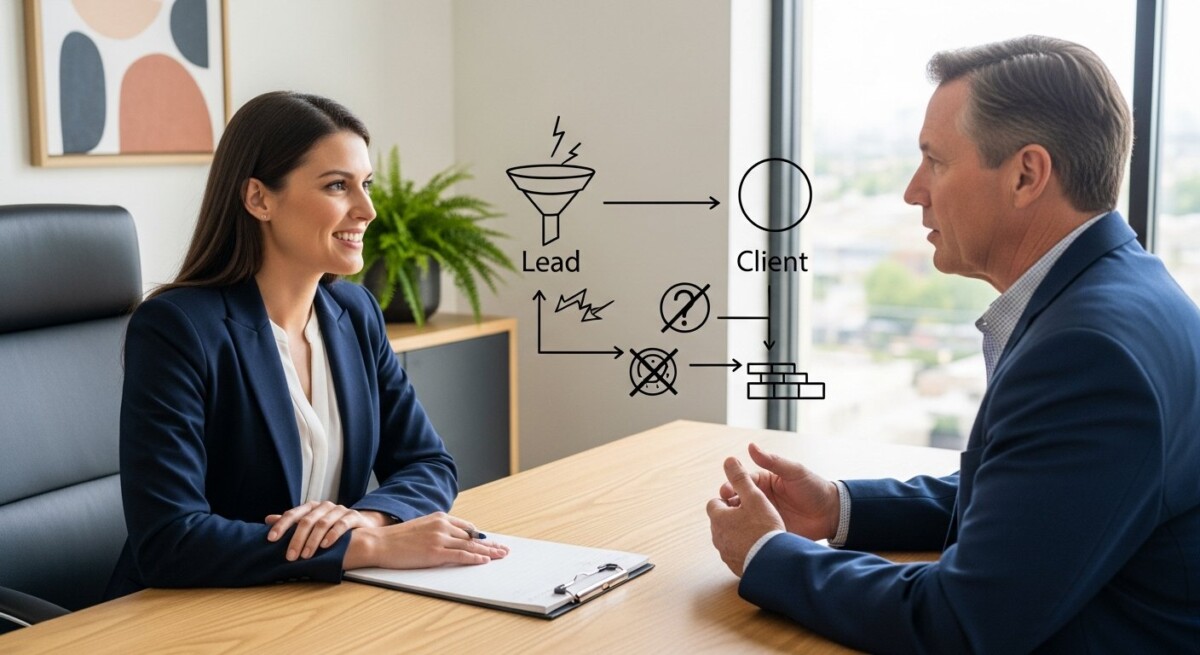
Acquiring High-Value Rideshare Accident Leads for Your Law Firm
A surge in rideshare usage has created a distinct and rapidly growing area of personal injury law. For law firms, this translates into a significant opportunity: capturing rideshare accident leads. These are not typical car accident cases. They involve complex liability questions, specific insurance policies with high limits, and clients who are often confused about their rights. Successfully generating and converting these leads requires a nuanced strategy that understands the unique dynamics of the gig economy and the injured passenger or driver’s immediate concerns. Firms that master this niche can secure a steady stream of valuable cases while providing essential guidance to a vulnerable demographic.
Understanding the Unique Value of Rideshare Accident Cases
Rideshare accident leads represent a premium segment within personal injury law. The inherent value stems from several factors that distinguish them from standard automobile collisions. First, and most importantly, is insurance. Companies like Uber and Lyft maintain commercial insurance policies that provide substantial coverage, often reaching $1 million or more, when the app is active. This high-limit coverage creates a much larger potential recovery for serious injuries compared to cases involving only personal auto policies. Second, liability can be multi-faceted. An injured client may have claims against the at-fault driver, the rideshare company for negligent hiring or vicarious liability, and even third parties like other drivers or municipalities. This complexity, while challenging, allows skilled attorneys to build stronger cases and maximize compensation.
Furthermore, the clients themselves are often ideal for representation. They are typically passengers who were simply seeking a safe ride, placing them in a very sympathetic position for a jury. They had no control over the vehicle or driver selection. Even when representing injured rideshare drivers, the interplay between personal insurance, rideshare endorsements, and the company’s commercial policy creates a specialized need for legal expertise. For law firms, focusing on this niche means you are not just competing for any car accident case, you are positioning yourself as a specialist for a high-stakes, technically complex area where your specialized knowledge commands respect and results.
Effective Strategies for Generating Qualified Rideshare Leads
Attracting individuals involved in rideshare accidents requires a targeted approach. Generic car accident marketing will not sufficiently address the specific fears and questions these potential clients have. Your content and advertising must speak directly to the unique scenario of being hurt in an Uber or Lyft. A foundational strategy is creating authoritative, educational content that answers their immediate post-accident questions. Blog posts, videos, and FAQ pages should cover topics like who is liable in a rideshare crash, how to navigate the rideshare company’s claims process, the different insurance phases (app off, app on waiting for a ride, passenger in car), and the statute of limitations for these cases.
Pay-per-click (PPC) advertising is exceptionally effective for capturing intent-driven leads. Keywords such as “Uber accident lawyer,” “hurt in a Lyft,” and “rideshare accident settlement” have high commercial intent. Your ads and landing pages must immediately establish your firm’s specific expertise in this area to build trust and differentiate from general practitioners. Another powerful tactic is local SEO optimization for rideshare-related terms. Ensure your firm’s Google Business Profile highlights this specialty, and seek backlinks from relevant local directories and legal resources. Remember, the goal is to be the obvious expert when someone searches for help after a rideshare incident. For a comprehensive look at foundational lead generation tactics, our resource on car accident leads for attorneys covers essential principles that apply here.
Optimizing the Intake Process for Conversion
Generating the lead is only half the battle. The initial contact and consultation are critical to conversion. Your intake team must be meticulously trained on the nuances of rideshare law. They should ask specific, qualifying questions from the first call: Was the app on? Were you a passenger, driver, or pedestrian? Did you report the accident to Uber/Lyft immediately? Have you spoken to an insurance adjuster from the company? This immediate demonstration of expertise reassures the caller that they have reached the right place. Your consultation script should be designed to educate the potential client about the process, the likely involved insurance policies, and the value you bring in handling corporate claims departments.
It is also vital to manage expectations regarding evidence. Encourage clients to secure evidence they may uniquely have access to, such as trip receipts and driver information from the app, and screenshots of the route. A streamlined, empathetic intake process that moves quickly is essential, as rideshare companies have large teams that may contact the injured party rapidly. Your firm’s ability to act fast and knowledgeably can be the deciding factor in securing the representation. Exclusive leads for attorneys often succeed because of a superior intake process that makes the injured person feel understood and protected from the start.
Navigating the Complexities of Insurance and Liability
This is where specialized knowledge becomes non-negotiable. Rideshare accidents operate under a layered insurance framework that varies by state and the driver’s app status. Generally, there are three periods: Period 1 (app off, personal insurance only), Period 2 (app on but no ride accepted, contingent coverage), and Period 3 (ride accepted or in progress, full commercial coverage). Understanding these phases and knowing how to prove which one applies is fundamental. Furthermore, liability is not always clear-cut. Issues like driver fatigue (a common factor in gig economy work), vehicle maintenance, and even app design flaws can contribute to liability. A thorough investigation is required to identify all potentially responsible parties.
Dealing with the rideshare company’s insurance carriers, such as James River Insurance or Progressive Commercial, requires a specific skill set. These adjusters are experienced in defending high-value claims and will have teams of lawyers ready. Your firm must be prepared to aggressively pursue all avenues of recovery, from the driver’s personal policy to the million-dollar commercial policy, and to litigate if a fair settlement is not offered. Building a strong network of accident reconstruction experts, medical professionals familiar with ride-related injuries, and economists to calculate lost wages for injured drivers is part of building a formidable practice in this area. Effective lead generation is futile without the legal expertise to back it up and deliver outstanding results for clients.
Key Components of a Successful Rideshare Accident Case
To maximize outcomes for your clients and your firm, a methodical approach to building these cases is essential. While each case is unique, several core components require focused attention from the outset. A successful strategy involves systematically addressing liability, damages, and the specific procedural hurdles posed by corporate defendants. Below are the critical pillars for building a strong rideshare accident claim.
- Immediate Evidence Preservation: This goes beyond typical crash scene photos. Secure the client’s trip history and receipt from the rideshare app, which contains driver details, timestamps, and route data. Obtain the driver’s information and any witness contact details. Promptly send spoliation letters to the rideshare company to preserve app data, driver logs, and internal communications.
- Comprehensive Insurance Investigation: Identify every applicable insurance policy. This includes the at-fault driver’s personal auto policy, the rideshare driver’s personal policy (and any rideshare endorsement), the rideshare company’s commercial policy, and any policies covering other vehicles involved. Confirm the app’s status at the exact moment of impact to determine which coverage layer is primary.
- Detailed Liability Analysis: Investigate beyond simple negligence. Examine the driver’s hours logged, the company’s background check procedures, vehicle maintenance records, and whether in-app navigation contributed to the crash. This broad analysis can help establish direct or vicarious liability against the rideshare platform itself.
- Thorough Damages Documentation: Meticulously document all economic and non-economic damages. For passengers, this includes medical bills, lost wages, and pain and suffering. For injured drivers, it is crucial to calculate lost earning capacity within the gig economy, which may require expert testimony to project future lost rideshare income.
- Strategic Negotiation and Litigation Readiness: Approach settlement negotiations from a position of strength, armed with a well-investigated case and a clear valuation. Be prepared to file suit and engage in discovery against the rideshare corporation, as they often only offer fair value when faced with a credible litigation threat.
Mastering these components transforms a complex claim into a winnable case. It demonstrates to both the client and the opposing insurance carrier that your firm possesses the dedication and skill necessary to navigate this challenging legal landscape. For continued learning on advanced case acquisition strategies, you can always Read full article on our dedicated platform.
Frequently Asked Questions on Rideshare Accident Leads and Cases
What makes a rideshare accident lead more valuable than a standard car accident lead?
The primary value driver is the high-limit commercial insurance policies held by companies like Uber and Lyft, which can provide coverage up to $1 million for accidents during an active trip. This significantly increases the potential recovery for serious injuries. Additionally, the complexity of the cases often allows for more avenues of liability and requires specialized knowledge, which can justify higher fee structures.
How quickly should we contact a rideshare accident lead?
Immediately. Speed is critical. Rideshare companies have large teams that contact injured parties within hours or days to record statements and potentially settle claims quickly for low amounts. Your firm making first contact demonstrates urgency and can protect the client from making statements that could harm their case.
What is the biggest mistake law firms make when handling these cases?
The biggest mistake is failing to identify and pursue all layers of insurance coverage and all potentially liable parties. Treating it like a simple two-driver collision can leave significant compensation on the table. Another common error is not thoroughly investigating the rideshare driver’s status and the company’s potential negligence.
Can we represent the rideshare driver if they were injured?
Absolutely. Injured drivers present a unique but viable case. The challenge is navigating the interplay between their personal insurance, any rideshare endorsement, the at-fault driver’s insurance, and the rideshare company’s contingent or commercial policy. These cases require precise analysis to determine the order of coverage and maximize the driver’s recovery.
What marketing message resonates most with these potential clients?
Messages that directly address confusion and fear. Highlight your specific expertise in dealing with Uber and Lyft’s insurance companies. Use language like “Navigating the complex insurance maze after a rideshare crash” or “We know the tricks rideshare companies use to limit your claim.” This positions your firm as the specialist who understands their unique problem.
Building a successful practice around rideshare accident leads is a strategic decision that combines targeted marketing with deep legal expertise. By focusing your lead generation efforts on this niche, training your team on its intricacies, and developing a proven system for case investigation and litigation, you can secure a competitive advantage in the personal injury market. The growing prevalence of ridesharing ensures this area of law will continue to expand, offering forward-thinking firms a reliable source of high-value cases and the opportunity to provide indispensable help to injured individuals navigating a corporate-driven system.
Share This Story, Choose Your Platform!
About the Author: Kiran Desai